
You don’t have to be an artist to give your child a meaningful art education.
If you’ve ever wanted to teach art in your homeschool but felt completely unprepared, you are not alone.
Maybe you’ve thought:
“I can’t even draw a stick figure.”
“I want my child to have a quality art education, but I don’t know where to start.”
“I keep saving art ideas on Pinterest, but I’m not sure what’s actually worth teaching.”
“I want something more meaningful than random crafts.”
That’s exactly why I created Kids Art Projects 101.
As an elementary art teacher with over 20 years of experience, I’ve spent years creating and teaching art lessons that help children learn about famous artists, explore real art techniques, build creative confidence, and create artwork they’re proud to share.
Now, homeschool families can use those same ready-to-teach lessons at home — without needing an art degree, hours of planning, or endless searching online.
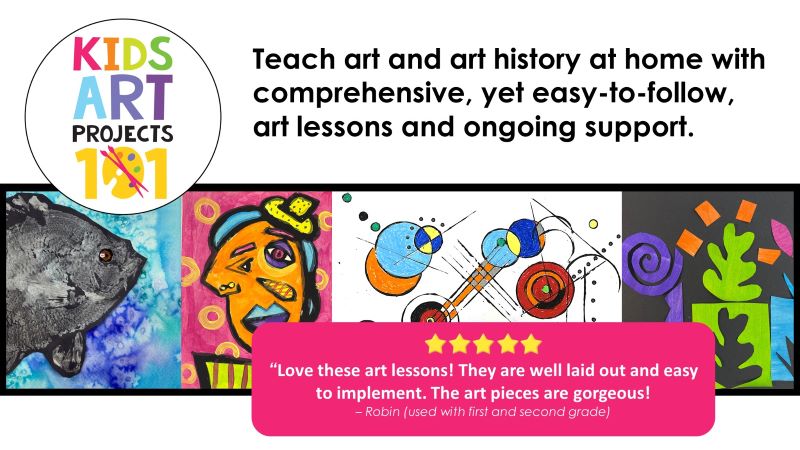
A homeschool art curriculum that’s already planned for you
Kids Art Projects 101 gives you step-by-step art lessons designed to make teaching art feel simple, doable, and enjoyable.
Instead of piecing together random YouTube videos, Pinterest projects, and free downloads, you can follow a clear sequence of lessons that has already been created, organized, and tested with real elementary-aged children.
Each unit is designed to help you teach more than a craft. Your child will learn about artists, art history, creative thinking, materials, techniques, and personal expression.
You bring the supplies.
I’ll bring the plan.

Perfect for homeschool families who want structure without stress
Homeschool parents are already teaching a lot.
Math. Reading. Science. History. Writing. Life skills. Multiple children. Multiple grade levels. And somehow, art is supposed to fit in there too.
But when art feels confusing or overwhelming, it often gets pushed aside.
Kids Art Projects 101 helps you bring art back into your homeschool in a way that feels manageable.
These lessons are especially helpful if you:
- Want to teach art but don’t feel artistic yourself
- Need step-by-step guidance
- Want your child to learn more than random crafts
- Teach multiple ages at the same time
- Need flexible lessons that can fit your homeschool schedule
- Prefer affordable, reusable digital resources
- Want artwork your children will feel proud to complete
- Lead a homeschool co-op or enrichment class
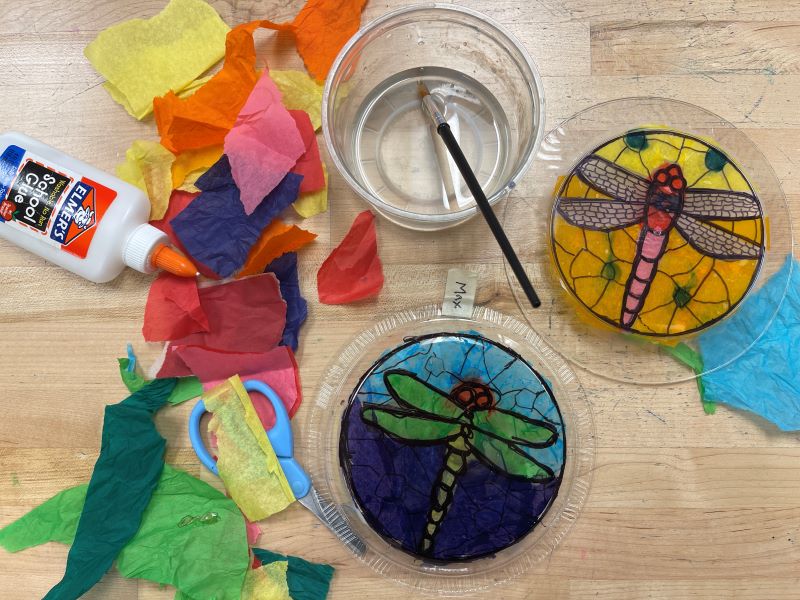
What makes these lessons homeschool-friendly?
Step-by-step guidance
You do not have to invent the lesson, research the artist, create slides, or figure out how to explain the project.
Each unit includes clear teaching guidance so you can open the lesson and know what to do next.
Digital presentations
Many lessons include guided digital presentations that can be used with Google Slides or PowerPoint. These presentations help introduce the artist, artwork, concepts, and project steps in a way that is easy for children to follow.
This is especially helpful if you feel nervous explaining art concepts on your own.
Flexible pacing
The lessons were originally designed as classroom-tested elementary art units, but they work beautifully in homeschool settings because you can adjust the pace.
Many units are broken into three or four sessions of about 40 minutes each. You can teach one session per week, combine sessions, slow down, or stretch a project over several weeks.
Your homeschool does not have to look like a traditional classroom for these lessons to work.
Works for mixed ages
Homeschool families often teach more than one child at a time. These lessons are designed for elementary students and can often be adapted across nearby grade levels.
Younger children can focus on experimenting and creating.
Older children can add more detail, independence, craftsmanship, and personal meaning.
Everyone can participate at their own level.
Meaningful art education
These lessons help children learn that art is more than “cute crafts.”
They introduce children to:
- Famous artists
- Art appreciation
- Art vocabulary
- Creative thinking
- Different materials and techniques
- Skill-building
- Personal expression
- Visual culture and global connections
Your child can enjoy the creative process while also building a deeper understanding of art.
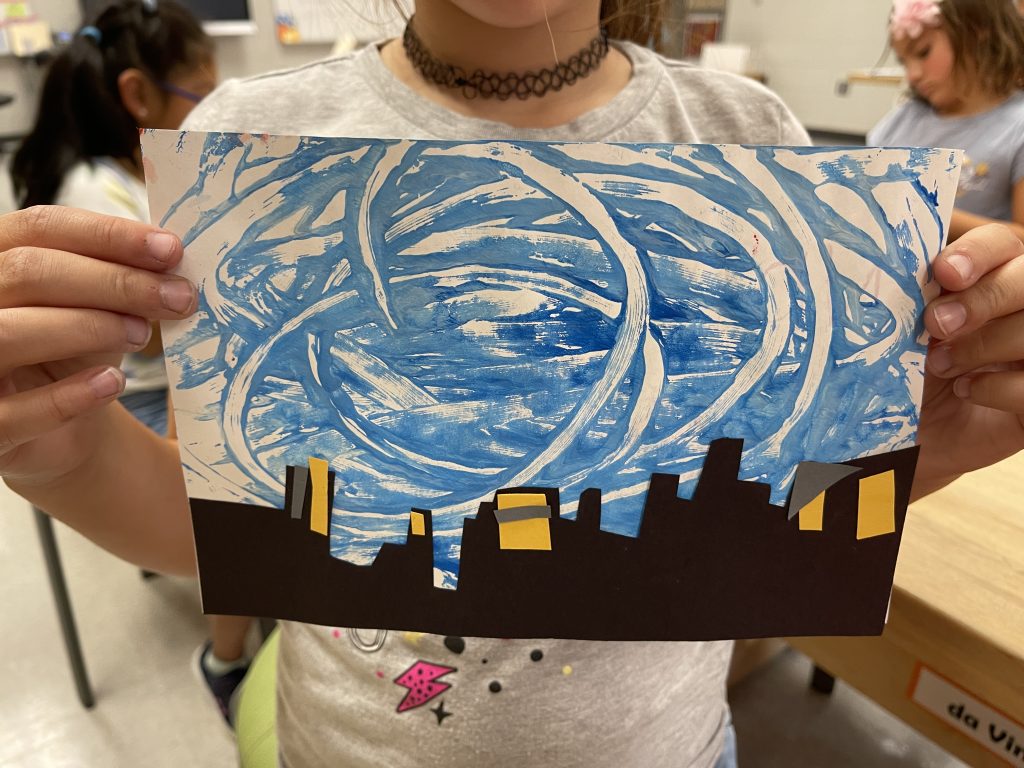
Stop searching. Start teaching.
One of the hardest parts of teaching homeschool art is not finding ideas.
It’s finding the right ideas.
There are thousands of projects online, but it can be hard to know:
- Is this age-appropriate?
- Is it educational?
- Will my child enjoy it?
- Do I have the supplies?
- Does this build any real skills?
- How does this fit into a bigger art education?
Kids Art Projects 101 helps take away that decision fatigue.
Instead of opening ten browser tabs and hoping you find something good, you can use a trusted library of ready-to-teach art lessons created by an experienced elementary art teacher.
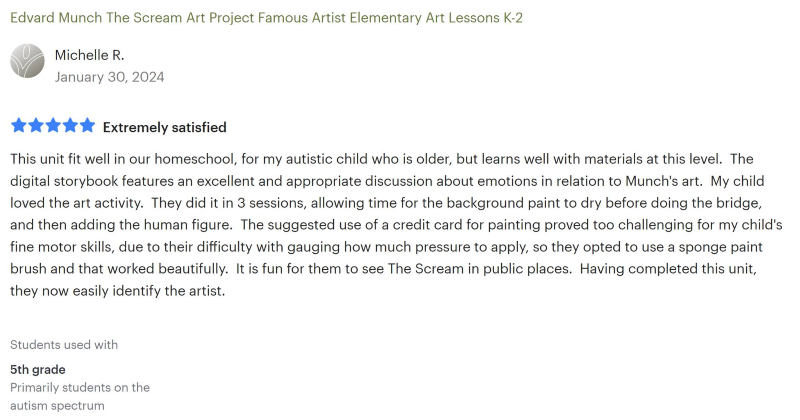
Homeschool Art Curriculum Reviews from Homeschool Parents
After using these art units parents and teachers often say things like:
“This is an amazing lesson set. The slides and handouts were a perfect combination. I can’t wait to try more of their lessons!!!”
“My students loved learning about this artist and completing the activities. They were engaged and were excited to complete art each week. Their final piece of art work looked amazing and reflected the the artist. Thank you”
“Great activities for my students. Super easy to follow!”


What’s included in the art curriculum?
Inside the Kids Art Projects 101 curriculum, you’ll find a growing collection of elementary art lessons and units that are designed to be practical, engaging, and easy to teach.
Depending on the unit, resources include:
- PDF unit guides
- Step-by-step lesson instructions
- Supply lists
- Digital presentations
- Student project examples
- Artist information
- Studio project directions
- Follow-up activities
- Editable lesson plans for members
- Standards checklists for members
- Curriculum map access
The goal is simple: give you what you need to teach art with confidence.

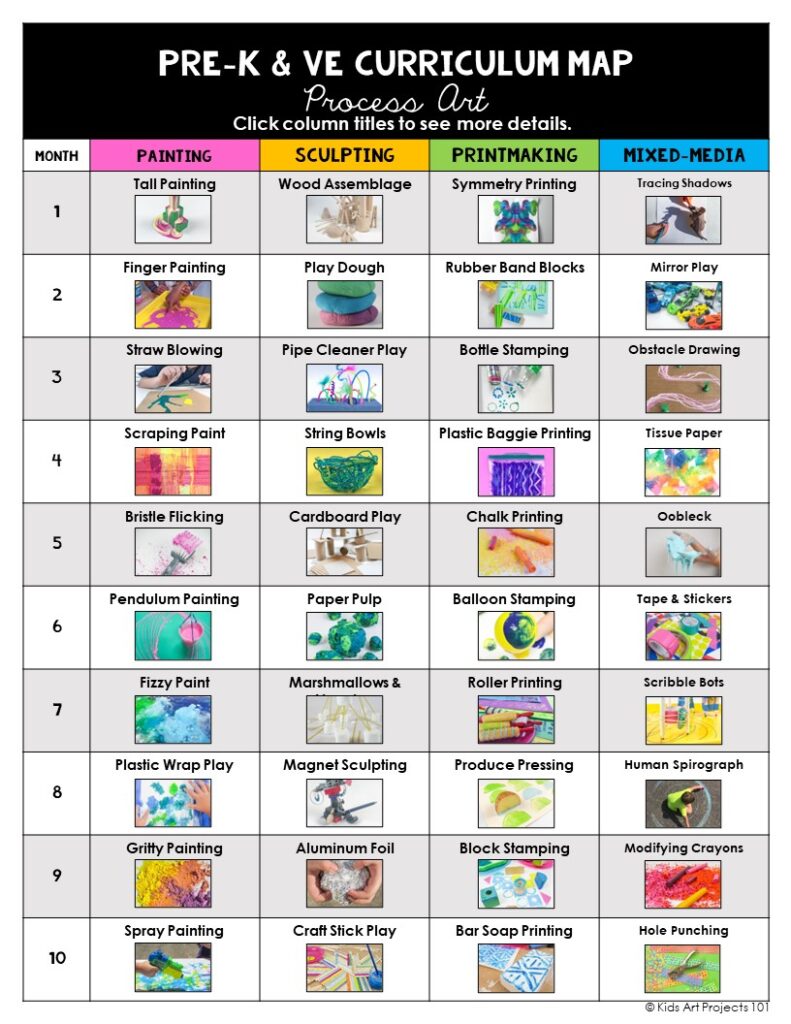
Fostering Creativity Through Process Art Curriculum
If you have preschoolers at home, then I recommend diving into our process art focused curriculum. I also use some of the process art lessons with my students who have varying exceptionalities. See the pre-k art curriculum here.
And if you have older kids, they will also love the freedom of exploring with these materials. Process art is definitely for all ages!
K-2 Elementary Homeschool Art Curriculum: Famous Artist Series
Introduce children to famous artworks and details about famous artists through an ongoing series of detailed unit plans for K-2 art teachers and homeschool families.
The K-2 Famous Artist Series introduces young children to famous artworks and artists through detailed art units that are easy to follow at home or in a homeschool co-op.
Each unit includes a guided structure so children can learn about an artist, explore related ideas, and complete a studio project inspired by the lessons.
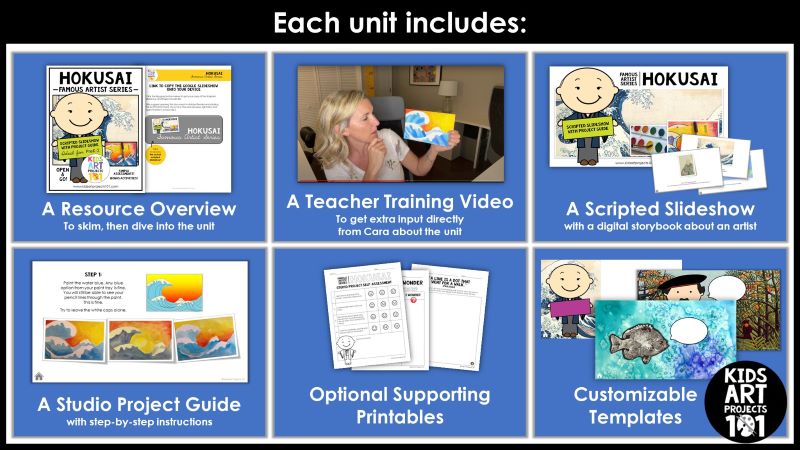
Inside each unit you’ll find a PDF unit guide full of information and tips for teaching the series of art lessons.
While the units in the K-2 Famous Artist series can definitely be used in multiple grade levels if you prefer, I choose to divide them out into a distinct sequence as outlined and explained below since I use them in an elementary art classroom.
However, at home in a multi-age setting kids ages 5-11 can absolutely do the same projects together. Younger students may need slight adaptations such as help with cutting or weaving, but overall they will still be gaining valuable art experience.
As designed each “year” of the art program focuses on an overarching goal and provides some continuity between projects as we progress through the sequence.
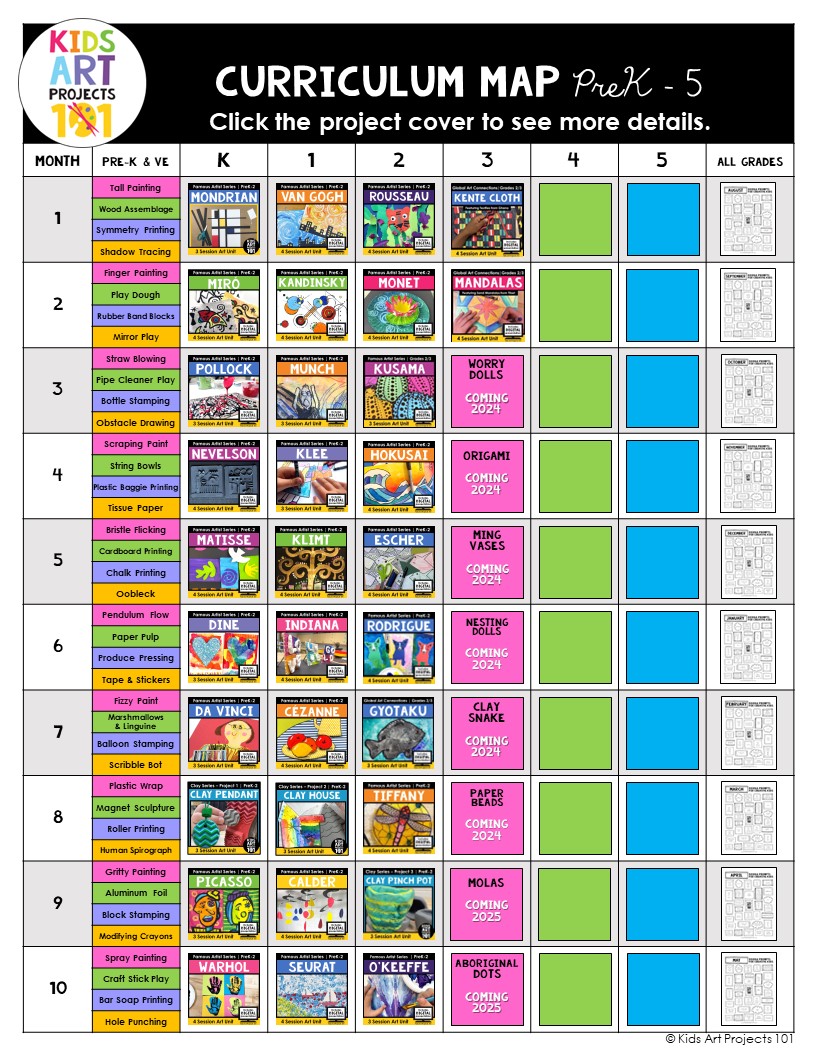
The complete K-2 curriculum sequence (aside from the clay units since they require access to a kiln) is available as one primary art bundle if you’d like to have them all in one set.
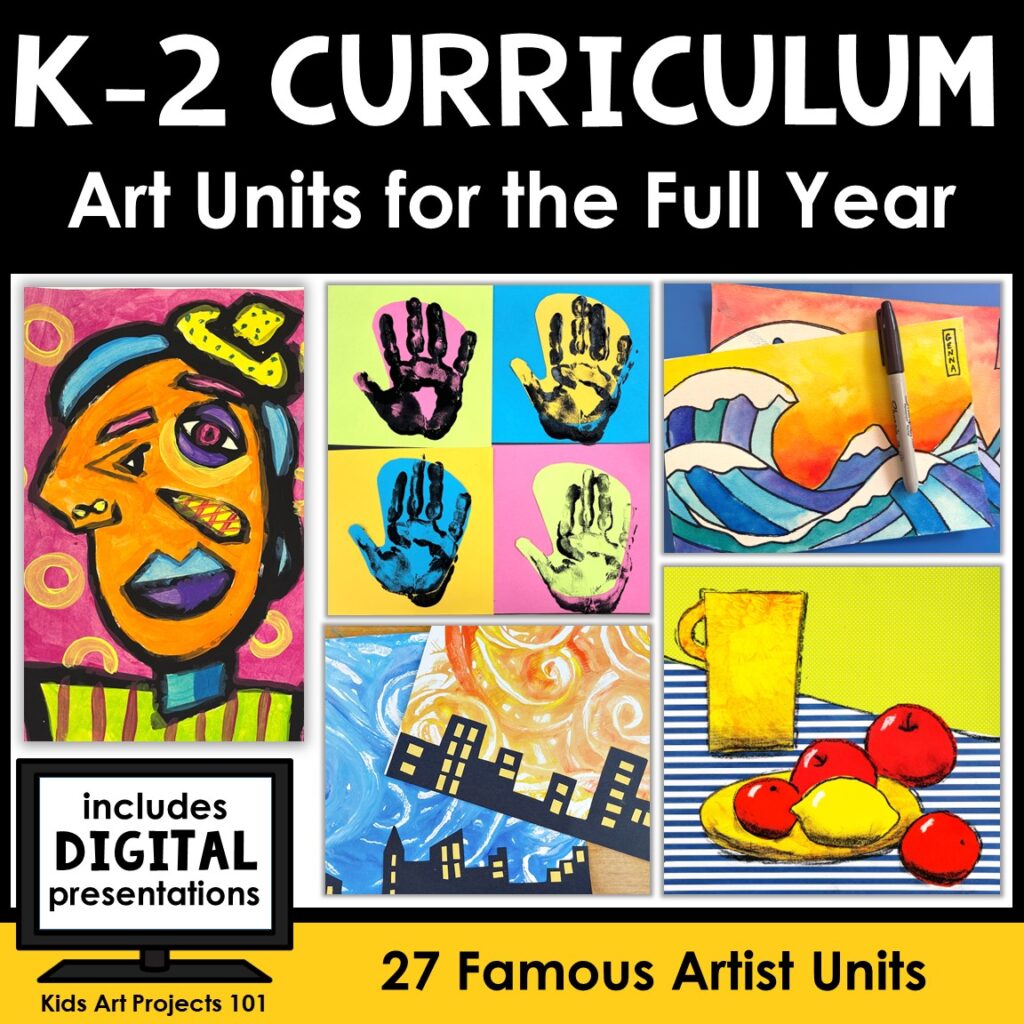

I’ve outlined the overarching goals for each sequence in the individual series sections below.
Play & Experimentation Art Curriculum Sequence
These are the lessons I typically present to kindergarten students.
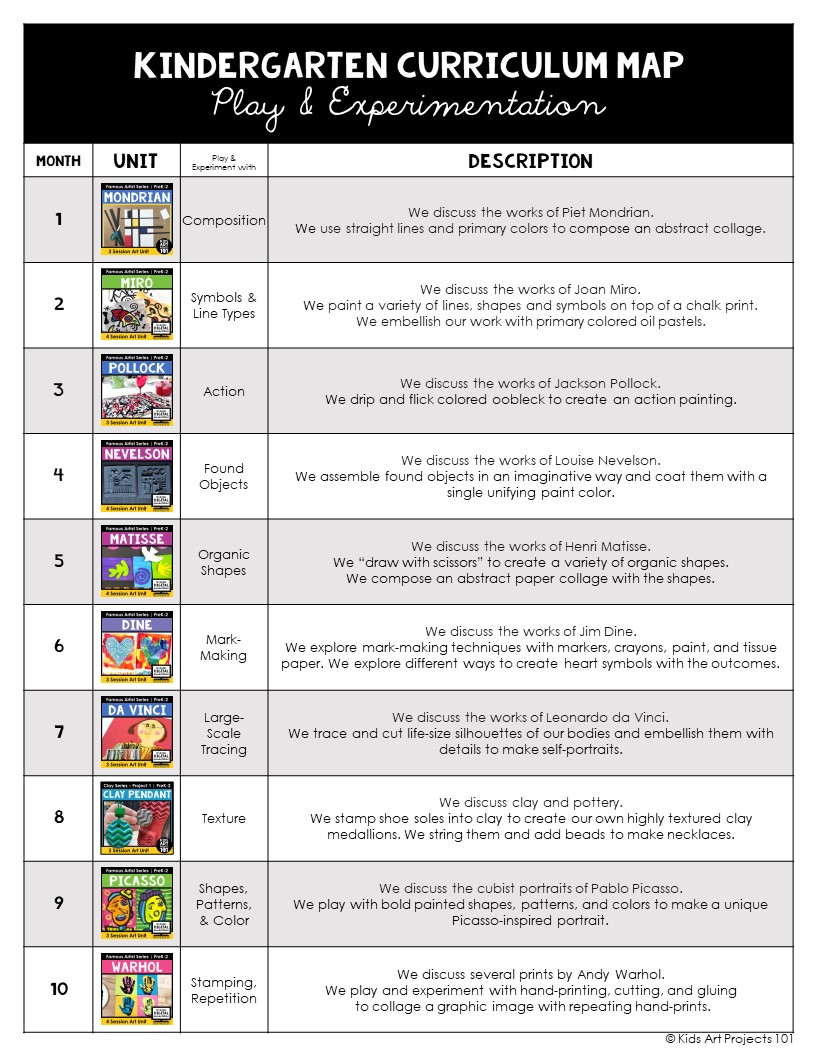
This sequence focuses on play, experimentation, mark-making, and material exploration.
This is a wonderful starting point for young children because it helps them build confidence with art materials and creative choices.
Children are encouraged to explore, try new things, and enjoy the process of creating.
HOW TO BUY THE KINDERGARTEN ART CURRICULUM: The kindergarten curriculum can be purchased as a whole or in individual units in our shop, OR you may get access to all units as a member of Kids Art Projects 101.
Inspiration from Imagination Art Curriculum Sequence
These are the lessons I typically present to 1st grade students.

The first grade sequence focuses on imagination as a driving force for artists.
Children learn that artists use ideas, stories, memories, and make-believe as inspiration for their work.
This sequence is especially helpful for encouraging creative thinking and helping children see themselves as artists.
HOW TO BUY THE FIRST GRADE ART CURRICULUM: The first grade curriculum can be purchased as a whole or in individual units in our shop, OR you may get access to all units as a member of Kids Art Projects 101.
Inspiration from Nature Art Curriculum Sequence
These are the lessons I typically present to 2nd grade students.
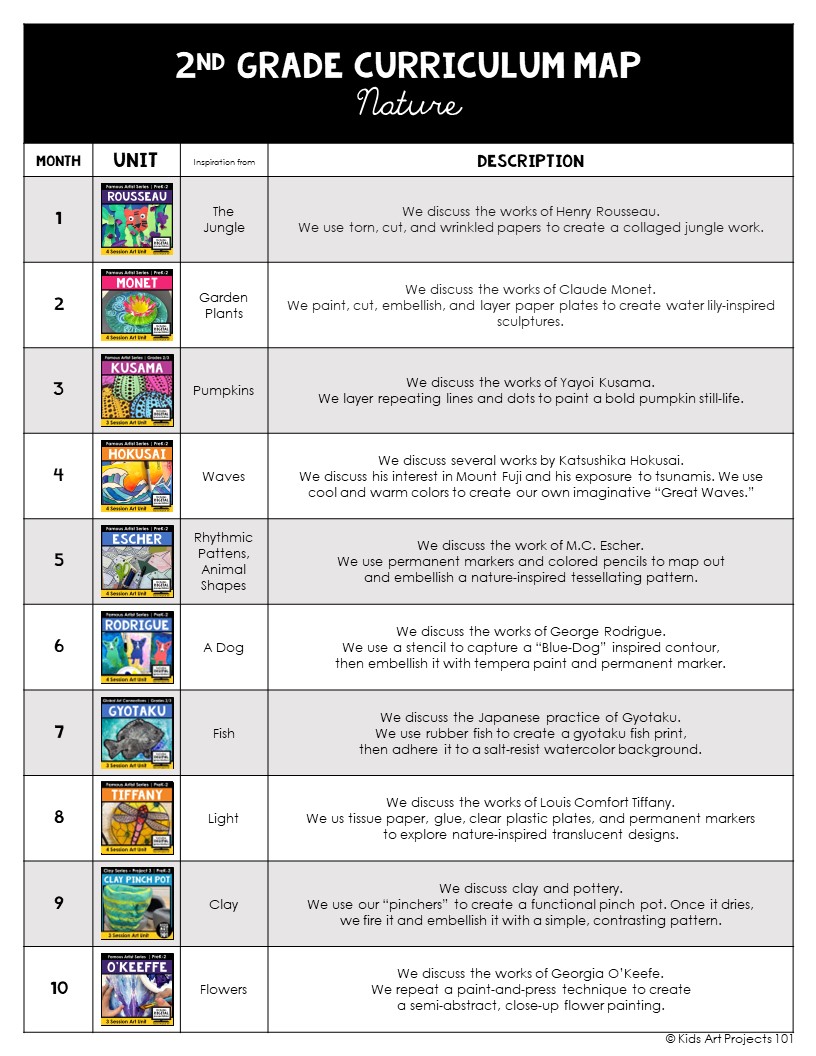
The second grade sequence focuses on nature as a source of inspiration for artists across time and cultures.
Children explore how the natural world can inspire colors, lines, shapes, patterns, textures, and ideas.
This sequence is a beautiful fit for homeschool families who enjoy nature study, outdoor observation, or cross-curricular learning.
HOW TO BUY THE SECOND GRADE ART CURRICULUM: The second grade curriculum can be purchased as or whole or in individual units in our shop, OR you may get access to all units when they are released as a member of Kids Art Projects 101.
Art from Around the World for Upper Elementary Students
These are the lessons I typically present to 3rd grade students.

The third grade curriculum introduces children to art from around the world through projects inspired by cultural traditions, environmental influences, and global art forms.
These lessons help students think about how people, places, materials, beliefs, and environments can influence art.
This series can be especially meaningful for homeschool families who want to connect art with geography, culture, history, and creative expression.
HOW TO BUY THE THIRD GRADE ART CURRICULUM: The third grade curriculum is now available as a whole bundle or in individual units in our shop, OR you may get access to all existing units and new units as they are released as a member of Kids Art Projects 101.
Fourth Grade Art Curriculum Sequence: In Progress
The fourth grade curriculum is currently in development. New unit are release every other month.
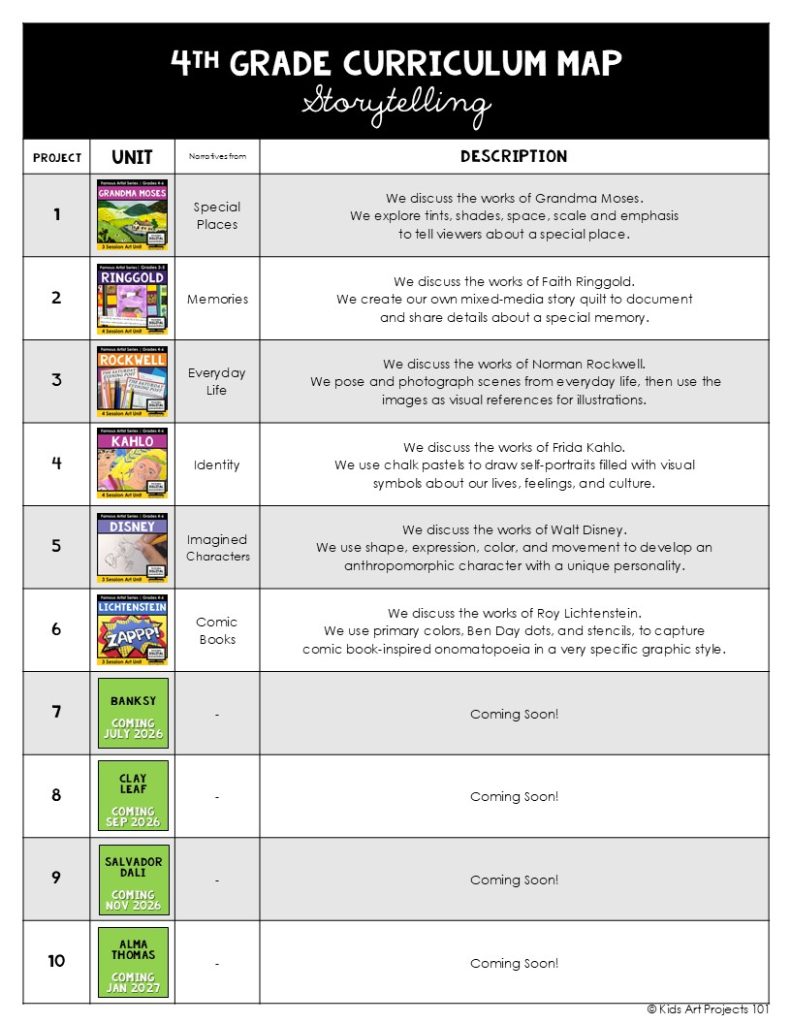
The fourth grade sequence focuses on artists who use art as storytelling and communication.
Students explore how artists share memories, feelings, hopes, life experiences, and personal perspectives through their artwork.
In this sequence we present more female artists and people of color. Our first unit in the 4th grade lineup is about Grandma Moses. She paints memories. Her story is absolutely fascinating. In the 4th grade sequence you can also expect units about Walt Disney, Faith Ringgold, Norman Rockwell, Frida Khalo, Roy Lichtenstein, Banksy, Salvador Dali, and Alma Thomas.
Fifth Grade Art Curriculum Sequence: Coming Soon
When the fourth grade curriculum is completed in January 2027 we will begin releasing units for the fifth grade elementary art curriculum. New units are consistently released every other month. In the meantime it is perfectly okay to use different units from our curriculum with your fourth and fifth grade students. You do not have to wait until all units are released to really take advantage of this done-for-you art curriculum.
If you become a member of Kids Art Projects 101 now, you’ll continue to receive each new art unit as it is released for as long as you are an active member. Click here to learn more about getting started as a member today.
Great for homeschool co-ops, too
If you teach art in a homeschool co-op, these lessons can save you hours of planning.
They are especially helpful for co-op leaders and parent volunteers who need lessons that are:
- Easy to explain
- Organized into sessions
- Suitable for elementary-aged children
- Engaging for groups
- Flexible for mixed ages
- Focused on successful student artwork
- More meaningful than a simple craft
You do not have to be the “art person” to lead a successful art class.
You just need a clear plan.

You can teach art with confidence
The biggest myth about homeschool art is that you need to be an artist to teach it well.
You don’t.
You need clear instructions, age-appropriate lessons, and projects designed to help children succeed.
Kids Art Projects 101 was created to give you that support.
With ready-to-teach lessons, guided presentations, supply lists, and student examples, you can stop worrying about whether you’re doing enough and start enjoying the creative experience with your children.
Why homeschool families love done-for-you art lessons
Because art finally becomes doable.
No more wondering what to teach.
No more saving projects you never use.
No more feeling guilty because art keeps getting skipped.
No more worrying that your child is missing out on a meaningful art education.
Instead, you can feel prepared.
You can feel confident.
And your child can experience the joy of creating artwork they are proud of.
Ready to make homeschool art easier?
If you want to give your child a meaningful art education without spending hours planning, Kids Art Projects 101 can help.
You don’t have to figure it all out yourself.
I’ve already done the planning for you.
Homeschool Art Curriculum FAQs
Do I need to be artistic to use this curriculum?
No. You do not need to be an artist or have any formal art training to teach these lessons. Kids Art Projects 101 was designed to give parents clear, step-by-step support so they can confidently guide children through meaningful art experiences.
The scripted slideshows, project guides, teacher training videos, and student examples help you know what to say, what to show, and what to do next. You simply follow the lesson and guide your children through the process.
What ages or grade levels is this homeschool art curriculum best for?
Children and adults of all ages can benefit from participation in the Kids Art Projects 101 Program. We’ve even heard positive feedback from facilitators using it in adult memory care facilities, but it is primarily designed for the skills and interests of elementary art students (ages 5 to 12).
While we designed the Fostering Creativity Through Process Art series with preschoolers in mind, the truth is process art activities are open-ended and can be done by kids (and adults!) of all ages. Generally process art experiences can be introduced to kids as young as 2 or 3 who are beyond the “put everything in your mouth” phase. Older kids will interact with the art projects in a different way and make different discoveries. All ages will benefit from the experience!
The projects in the Famous Art Series were originally developed for use in a public school art room, but have been adapted into a scripted PowerPoint format so that they can be easily utilized in a variety of settings and with a slightly broader age-range or mixed-age groups.
This flexibility makes the curriculum especially helpful for homeschool families teaching multiple children together.
Can I use these lessons with multiple ages at the same time?
Yes. Many homeschool families and co-op leaders teach children of different ages together, and these lessons are flexible enough to support that.
Younger children can focus on exploring materials, following basic steps, and enjoying the creative process. Older children can add more detail, independence, craftsmanship, and personal meaning to their artwork.
The lessons provide enough structure to keep everyone moving forward while still allowing for unique, individual outcomes.
Is this more than just crafts?
Yes. Kids Art Projects 101 is designed to provide meaningful art education, not just cute craft projects.
Children learn about famous artists, art history, creative thinking, art materials, visual ideas, and studio techniques. Projects may include painting, drawing, sculpture, printmaking, mixed media, and other hands-on art processes.
The goal is not to have children simply copy famous artwork. Instead, they learn about artists and art concepts, then use those ideas as inspiration for their own creative work.
What famous artists are included?
The curriculum includes units inspired by many well-known artists.
Kindergarten units include artists such as Piet Mondrian, Joan Miró, Jackson Pollock, Louise Nevelson, Henri Matisse, Jim Dine, Leonardo da Vinci, Pablo Picasso, and Andy Warhol.
First grade units include artists such as Vincent van Gogh, Wassily Kandinsky, Edvard Munch, Paul Klee, Gustav Klimt, Robert Indiana, Paul Cézanne, Alexander Calder, and Georges Seurat.
Second grade units include artists such as Henri Rousseau, Claude Monet, Yayoi Kusama, Katsushika Hokusai, M.C. Escher, George Rodrigue, Gyotaku, Louis C. Tiffany, and Georgia O’Keeffe.
How is the curriculum organized?
The curriculum is arranged into a suggested sequence of thematic series. For ease of identification they have been assigned grade levels, but these grade level identifiers do not have to be strictly adhered to. Instead think of them more as a progression of skills and overarching themes. Each grade level series has an overarching theme to help create a more connected art experience.
Kindergarten focuses on playing and experimenting with art materials.
First grade focuses on imaginative thinking and creativity.
Second grade focuses on nature as an influence on artists and artmaking.
Third grade focuses on global art connections.
Fourth grade focuses on art as a form of storytelling.
This structure gives parents a helpful plan to follow, but the curriculum is also customizable. You can use the units in order, rearrange them, teach them individually, or adapt them for a broader elementary art sequence.
How long does each art unit take?
Most units are designed to be taught over 3 to 4 sessions. Each session can typically fit into a manageable homeschool art block.
You can teach one session per week, combine sessions, or stretch a project over a longer period depending on your schedule, your child’s pace, and how deeply you want to explore the topic.
This makes the curriculum flexible for weekly homeschool art, enrichment days, co-op classes, or seasonal art studies.
What is included in each unit?
Each unit may include a combination of resources such as:
- A resource overview
- A studio project guide with step-by-step instructions
- A scripted slideshow or digital storybook about the artist
- A teacher training video
- Optional supporting printables
- Customizable templates
- Supply lists
- Project steps broken into age-appropriate chunks
- Student examples or finished project guidance
- Review activities, reflection prompts, or self-assessments when included
These pieces are designed to make the lessons easier to teach and more engaging for children.
Are the lessons open-and-go?
Yes. The lessons are designed to be as open-and-go as possible. The digital instruction, scripted slideshows, project guides, and supply lists help reduce planning time so you can spend less time researching and more time creating with your children.
You will still need to gather the art supplies before teaching, but the lesson structure and teaching support are already prepared for you.
What supplies do I need?
You provide the art supplies, and supply lists are included with the units. The curriculum uses many easy-access art materials, and several supplies are used across multiple projects.
Some units may include optional printables, which require a printer with black ink if you choose to use them. Digital slideshows may require Google Slides, Microsoft PowerPoint, or Acrobat Reader. Some lessons may include optional supplemental YouTube videos, which require internet access.
There are also optional pottery units available for families or co-ops that have access to a kiln.
Can this be used in a homeschool co-op?
Yes. Kids Art Projects 101 is a strong fit for homeschool co-ops, enrichment classes, and parent-led art groups.
The lessons provide structure for the adult leading the class while still giving children room for creativity and personal expression. The scripted slideshows, project guides, supply lists, and age-appropriate project chunks make it easier for co-op leaders to teach art even if they are not trained art teachers.
Will my child’s artwork look exactly like the examples?
No, and that’s a good thing.
The lessons are designed to celebrate unique outcomes. Children learn about artists, ideas, materials, and techniques, but they are encouraged to create their own artwork rather than simply copy an example.
This helps children build confidence, creative thinking, and pride in their individual artistic choices.
Does the curriculum include art history?
Yes. Artist studies and art appreciation are a major part of the curriculum. Many units include digital storybooks or slideshows that introduce children to famous artists and their work in an engaging, age-appropriate way.
Children begin to recognize artist names, famous artworks, techniques, and big ideas in art. This helps them understand that art is connected to history, culture, creativity, and the real world.
Can I use the units out of order?
Yes. The curriculum includes a suggested sequence, which is helpful if you want a clear plan to follow. However, units can also be pulled out and taught individually.
You may choose a unit based on your child’s interest, the materials you have available, a season or theme, a co-op plan, or a connection to another subject you are studying.
Is this curriculum flexible for different homeschool styles?
Yes. Whether your homeschool is structured, relaxed, Charlotte Mason-inspired, unit-study based, eclectic, or co-op focused, these lessons can be adapted to fit your rhythm.
You can use the curriculum as a complete art sequence, choose occasional artist studies, add projects to a unit study, or teach one art lesson per week throughout the year.
How is this different from finding free art projects online?
Free projects can be helpful, but they often leave parents piecing everything together on their own.
Kids Art Projects 101 gives you a more complete and organized experience. Instead of searching through Pinterest, YouTube, blogs, and social media, you get structured units created by an experienced elementary art educator.
The curriculum includes teaching support, artist connections, project guidance, supply lists, digital presentations, and meaningful studio experiences so you are not left guessing what to teach next.
Will this help my child build real art skills?
Yes. The curriculum is designed to help children explore real art materials, techniques, vocabulary, and creative decision-making over time.
Children are introduced to processes such as drawing, painting, sculpture, printmaking, mixed media, and more. They also practice observation, imagination, reflection, problem-solving, and self-expression.
The lessons support both skill development and creative confidence.
What if art usually gets skipped in our homeschool?
This curriculum was created for exactly that situation.
Many homeschool parents want to include art but delay it because they feel unprepared, overwhelmed, or unsure where to start. Kids Art Projects 101 gives you a ready-made plan so art becomes easier to include consistently.
Even one lesson a week can help your child build creative confidence and enjoy meaningful art experiences throughout the year.
Why should I choose Kids Art Projects 101 for my homeschool?
Kids Art Projects 101 helps you move from overwhelmed to prepared.
Instead of wondering what to teach, how to explain it, or whether the project will work, you get a clear art plan created by an experienced elementary art teacher.
It is a good fit if you want:
- A meaningful art curriculum
- Famous artist studies
- Step-by-step guidance
- Flexible lessons for mixed ages
- Open-and-go digital instruction
- Projects that go beyond crafts
- Support for non-artistic parents
- Artwork children feel proud to create
- A curriculum that can grow with your homeschool
You do not have to figure out homeschool art on your own. Kids Art Projects 101 gives you the tools and support to teach art with confidence.
How do I get access to the complete Kids Art Projects 101 curriculum?
Get access to the complete Kids Art Projects 101 program, including all art units, exclusive members only materials and everything released in the coming year by enrolling in the program here.
Choose between a recurring annual or single lifetime payment option.
What if I want to try individual units before getting the complete Kids Art Projects 101 curriculum?
Request a free sample lesson here to get a closer look at how the units are structured and try one with your family.
Purchase individual units or smaller curriculum bundles in our TPT store.